Active Responses Of Cyanobacterial Crusts Directly Exposed To The Extreme Stratospheric Environment
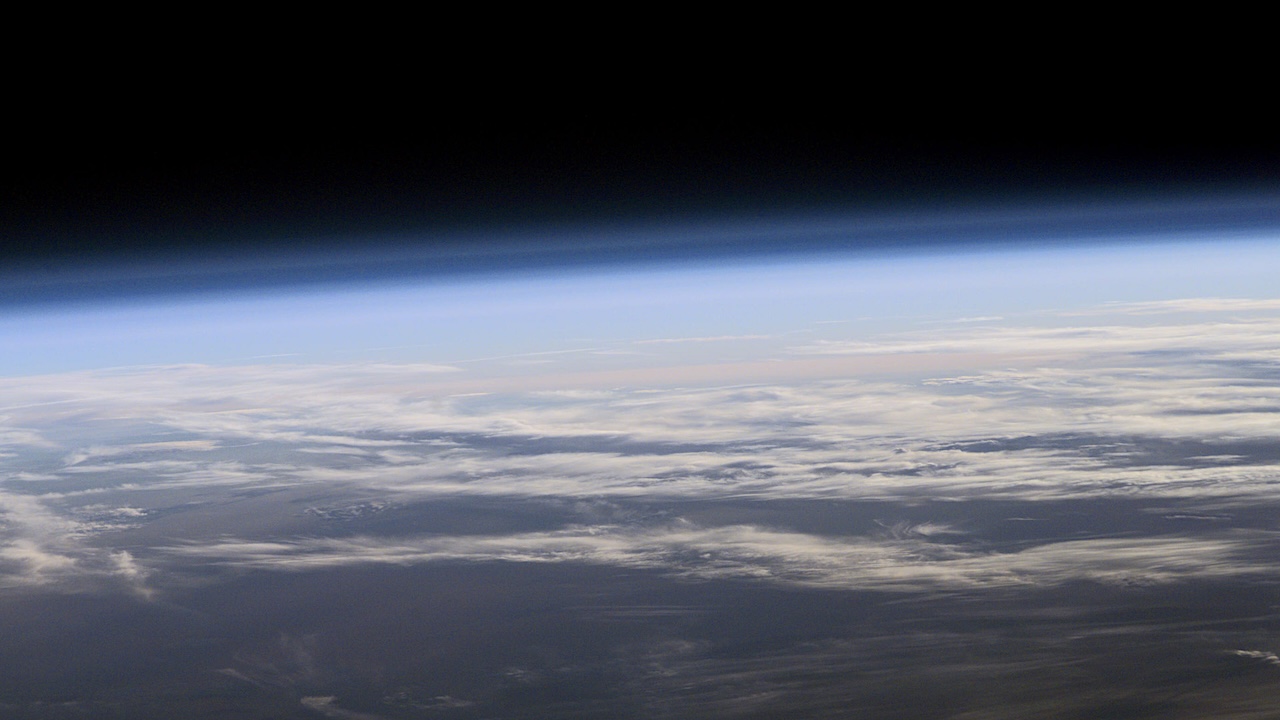
The stratosphere’s highly hostile environment offers a unique and relatively accessible setting to evaluate extremophilic adaptation for extraterrestrial colonization. The accelerating pace of the Martian project has underscored the need for a better understanding of the synergistic responses of microbial communities in Mars-like habitats.
Here, we loaded the cyanobacterial crust, a model system with multiple trophic levels, onto a balloon-borne astrobiology platform for a direct-exposure experiment in the stratosphere, aligned with the ground-control and indoor-simulated groups. After short-term in-situ exposure, we performed multi-omics analyses to delineate alterations in community composition and the community-level metabolic response.
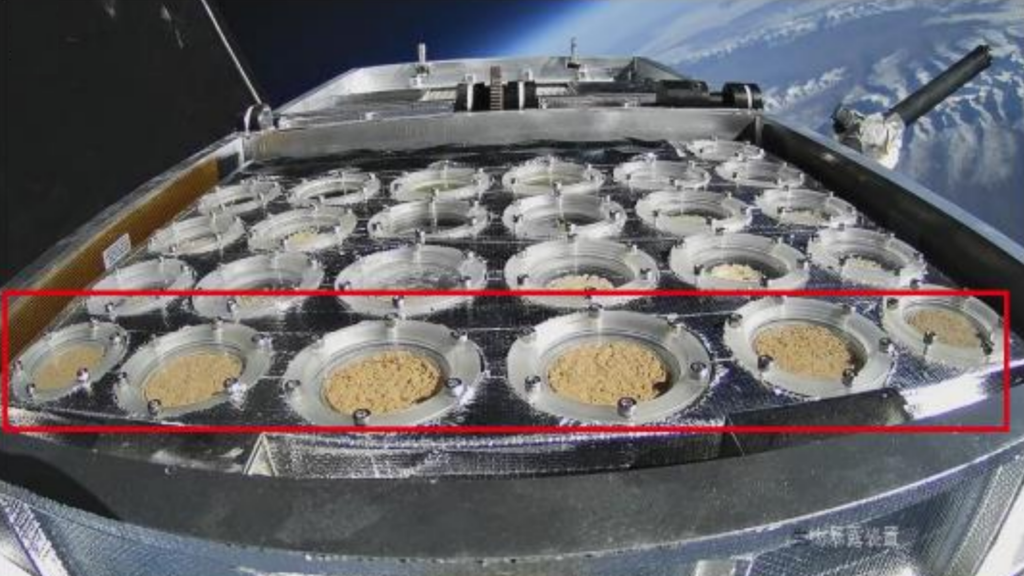
Cyanobacterial crusts in the stratosphere during light exposure — Microorganisms via PubMed
We observed a significant shift in the community composition of active members, with the relative abundance of photoautotrophs (except Scytonema) declining while that of chemotrophs increased. However, we demonstrated the unique thriving of the cyanobacterial genus Scytonema, attributed to its synthesis of the anti-ultraviolet compound scytonemin, its diverse material, and its energy acquisition.
Meanwhile, the distinct metabolic profiles exhibited by various species and their interspecies metabolic interactions synergistically facilitated the retention of organic carbon and nitrogen, ultimately sustaining the stability of the biocrust community. Our study underscores the adaptive resilience of cyanobacterial crusts under stratospheric stresses. Notably, the robustness of Scytonema, particularly its unique survival capabilities, highlights its potential for extraterrestrial applications.
- Active responses of cyanobacterial crusts directly exposed to the extreme stratospheric environment, Life Sciences in Space Research via x-mol.net
- Active responses of cyanobacterial crusts directly exposed to the extreme stratospheric environment, Life Sciences in Space Research
Astrobiology,