Fungal Species Discovered With The Ability To Freeze Water
Ice-nucleating proteins (INpros) catalyze ice formation at high subzero temperatures, with major biological and environmental implications.
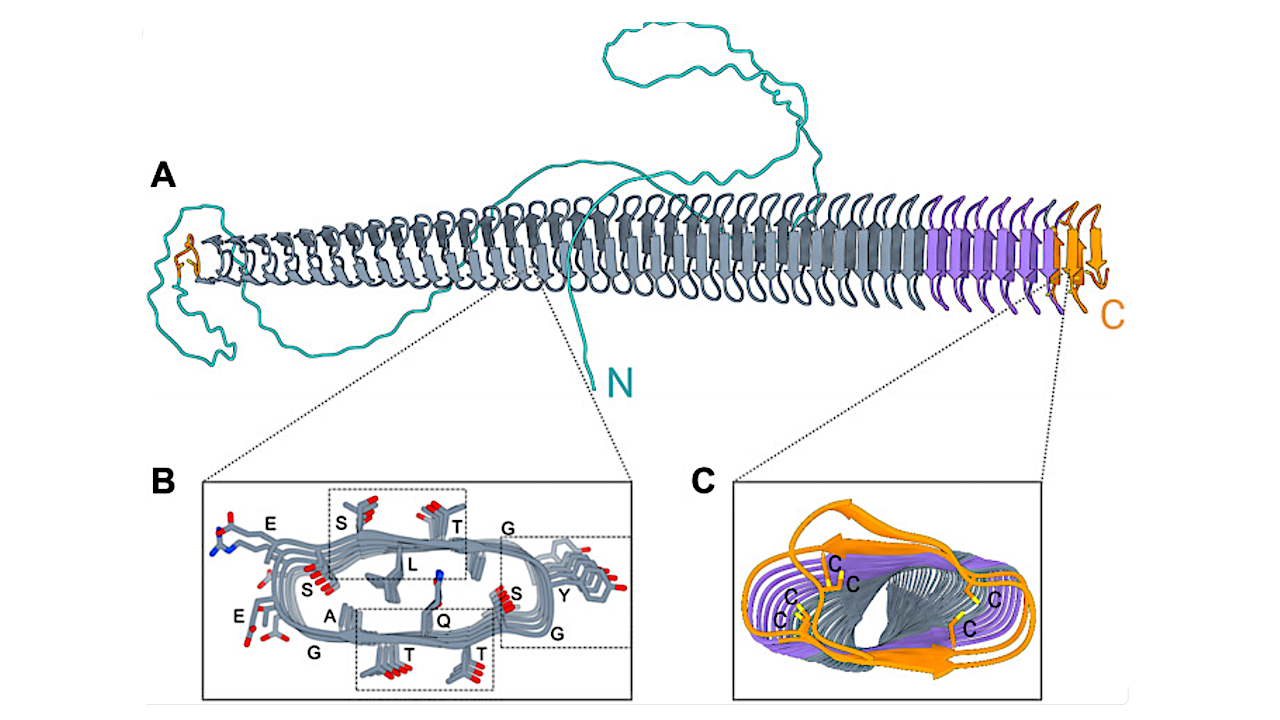
While bacterial INpros have been structurally characterized, their counterparts in other organisms have remained largely unknown. Here, we identify membrane-independent proteins in fungi of the Mortierellaceae family that promote ice formation with high efficiency. These proteins are predicted to adopt β-solenoid folds and multimerize to form extended ice-binding surfaces, exhibiting mechanistic parallels with bacterial INpros.
Structural modeling, phylogenetic analysis, and heterologous gene expression leading to ice nucleation in Escherichia coli and Saccharomyces cerevisiae show that the fungal INpros are encoded by orthologs of the bacterial InaZ gene, which was likely acquired by a fungal ancestor through horizontal gene transfer.
The discovery of cell-free fungal INpros provides tools for innovative freezing applications and reveals biophysical constraints on ice nucleation across life.
A previously unrecognized class of fungal ice-nucleating proteins with bacterial ancestry, Science Advances via PubMed (open access)
Astrobiology,