Draft Genomes Of Three Abundant Bacterial Isolates From Hypersaline Don Juan Pond, Antarctica
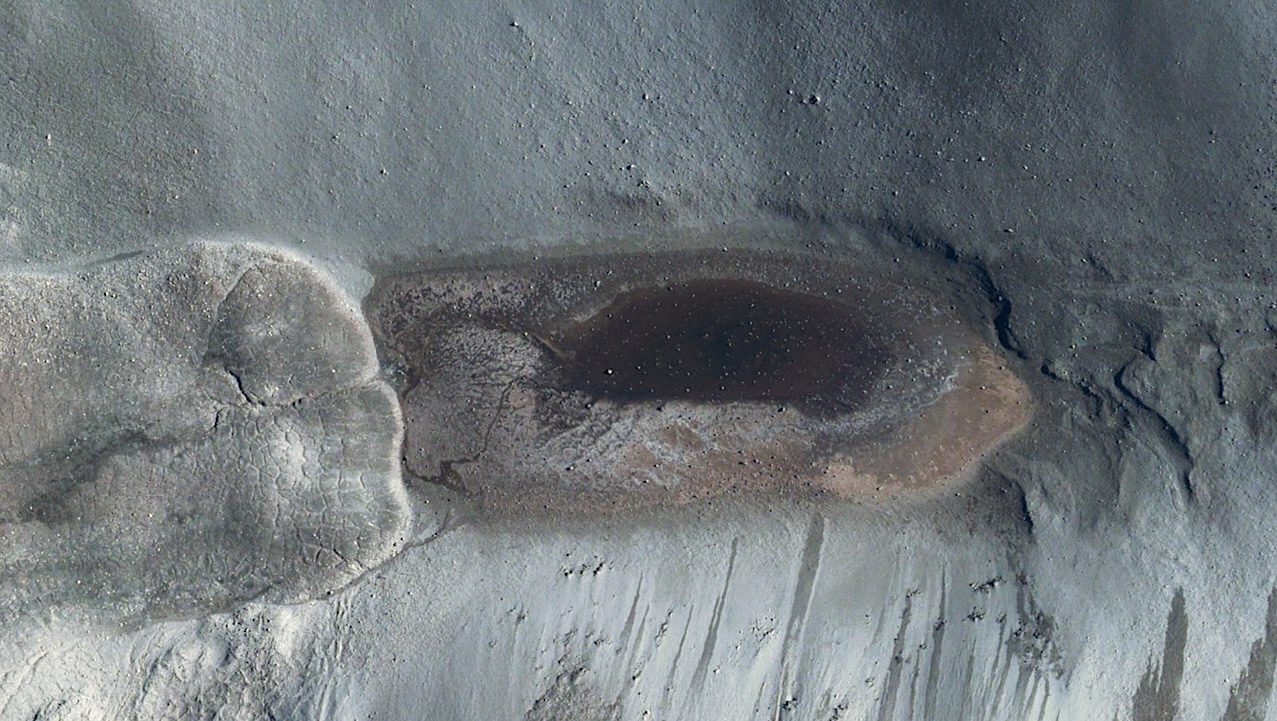
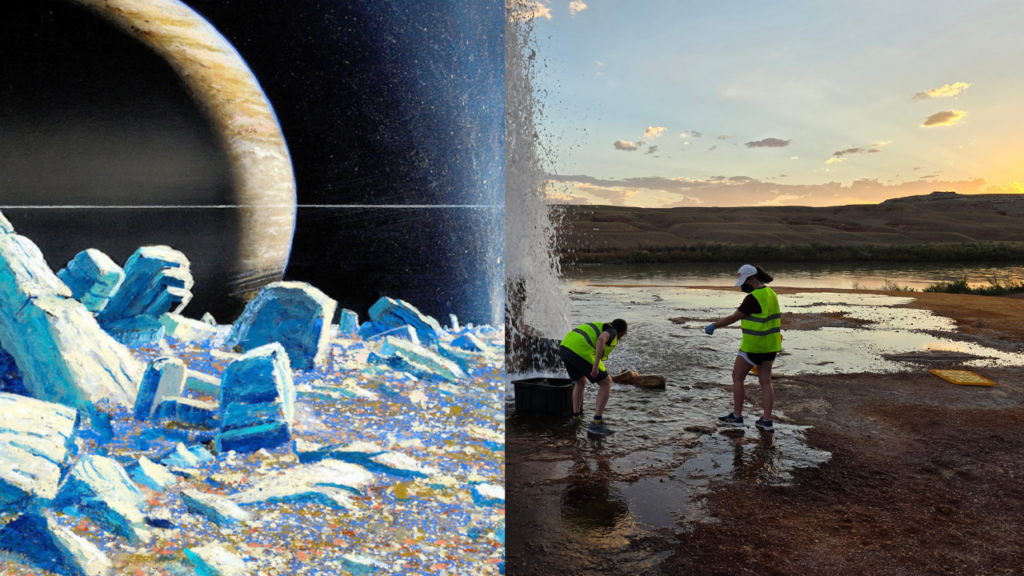
Don Juan Pond (DJP) is a hypersaline, CaCl2-rich brine within Wright Valley, Antarctica (77.565 S, 161.174 E; 1). DJP is one of the most saline brines on the planet and is of interest for studies seeking to describe the limits of life on our planet and as an analog feature for possible habitable niches on other worlds (2–4).
Brine-saturated sediments below the pond water column were aseptically collected in November 2018 using sterile scoops and a push-corer (5). Representatives of three relatively abundant bacterial genera from this system were isolated from these materials.
Viable colonies were isolated from sediment (~1 g) with the addition of Difco Marine Broth 2216 (10:1 slurry), followed by gently shaking (100 rpm) to dislodge cells, centrifugation (50 × g, 1 h), and plating supernatant on Difco Marine Agar 2216. Plates were incubated at 10°C for 7 days; colonies with unique phenotypes were selected and serially passaged to ensure isolation.
Cells were examined microscopically to assess culture purity and identified taxonomically via Sanger sequencing of the 16S rRNA gene as per Shaffer et al. (6; Table 1). Three isolates were selected for genomic sequencing based on relative abundance within a sediment 16S rRNA amplicon library (5).
Strain DJP18 originated from a surficial sediment sample, and strains DJP31 and DJP39 were isolated from subsections of a sediment core, originating 16–18 and 14–16 cm from the surface, respectively. DJP18 was taxonomically placed in the genus Loktanella (Rhodobacteraceae), DJP31 in Bacillus (Bacillaceae), and DJP39 in Virgibacillus (Amphibacillaceae).
- Draft genomes of three abundant bacterial isolates from hypersaline Don Juan Pond, Antarctica, Microbiology Resource Announcements via PubMed
- Microbiology Resource Announcements
Astrobiology,