Kick-off Of Feasibility Study For A New Generation Of European ALMA Receivers
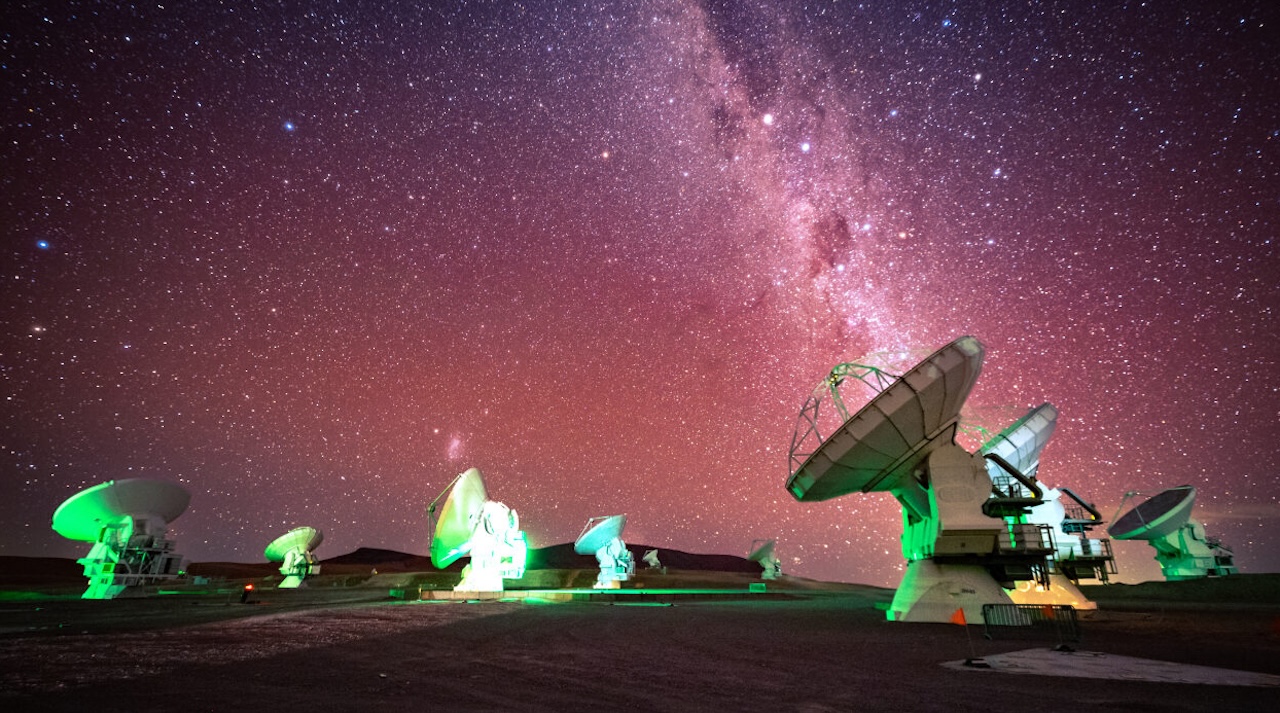
On 13 April 2026, ESO held the kick-off meeting for the Feasibility Study for a new generation of European ALMA receivers covering the 125–211 GHz band (ESO-654032) at the INAF-OAS premises in Bologna, Italy.
The meeting marked the formal start of a two-year study to explore the technical and scientific feasibility of a combined ALMA Band 4+5 receiver system covering the 125–211 GHz frequency range. This ALMA development study is relevant for the later stages of the Wideband Sensitivity Upgrade (WSU) programme.
The ALMA development study is carried out by a consortium led by INAF-OAS Bologna, in collaboration with the University of Bologna (DIFA) and the University of Milan. The kick-off was attended by representatives from ESO, INAF-OAS, INAF-OAA, the University of Bologna, and the University of Milano. Participants reviewed the six main objectives of the study: scientific use case definition, science-driven technical requirements, optical system design and simulation, dielectric material characterisation, wideband critical optics component development, and community coordination.
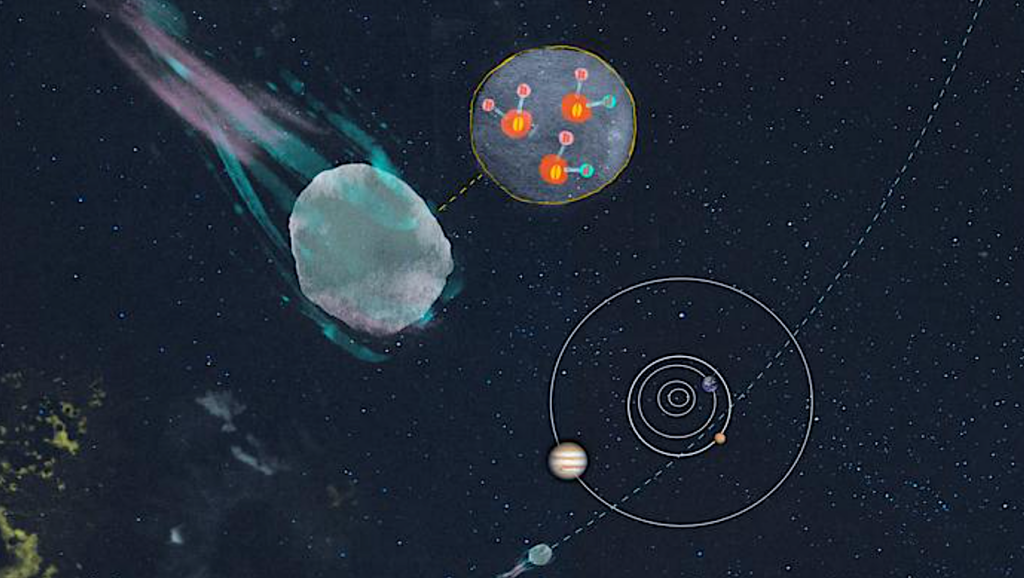
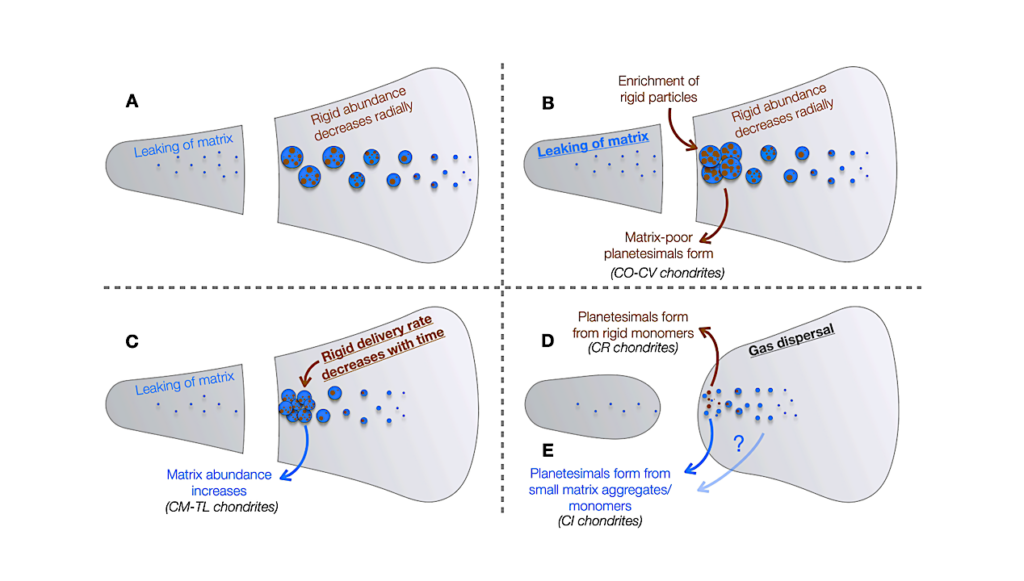
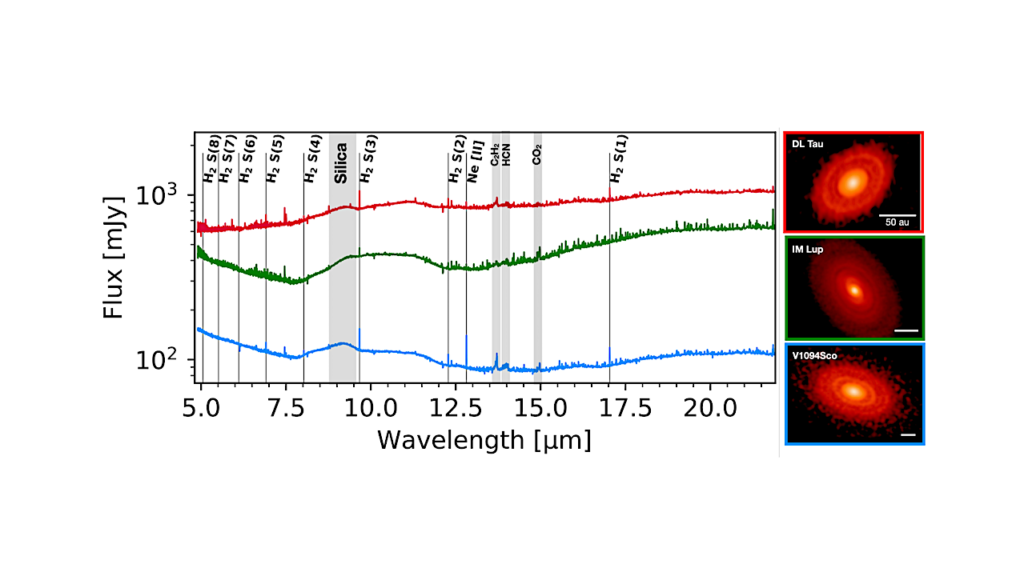
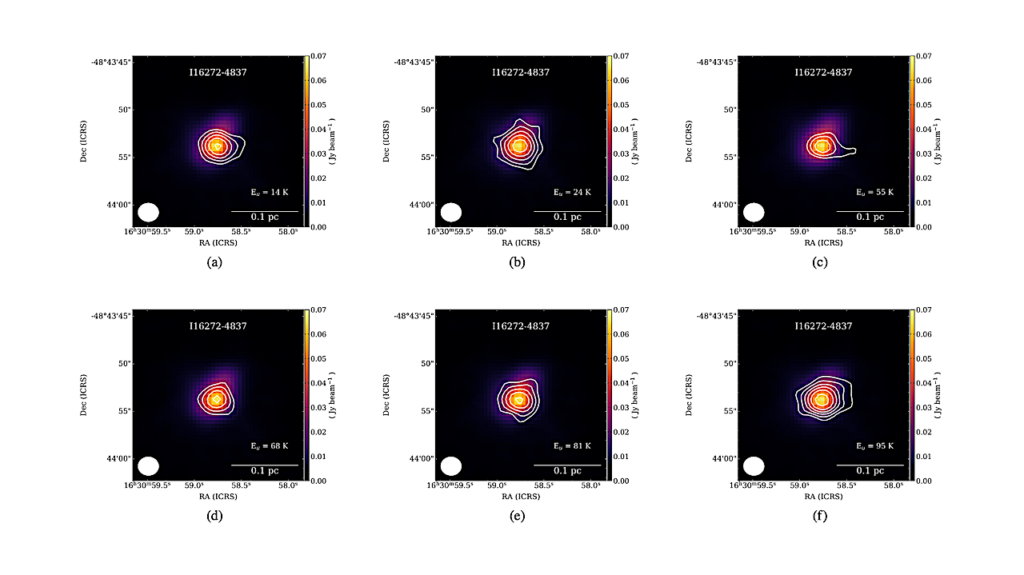
The main science drivers identified for the combined Band 4+5 system — galaxy evolution, planet formation, and astrochemistry — are fully aligned with the goals of the ALMA Development Roadmap. A key motivation is the ability to provide continuous frequency coverage from 125 to 211 GHz, eliminating the need for multiple receiver retunings and enabling more efficient spectral line surveys, improved redshift identification, and simultaneous detection of multiple molecular transitions.
Experimental studies will focus on the design feasibility of the fore-optics and the critical passive components (Feedhorn and Ortho Mode Transformer), and on their potential arrangement in a Cold Cartridge Assembly. The study will include the identification and characterisation of dielectric materials which could potentially be used for a lens-based system of optics, and for cryostat IR filters and vacuum windows
A distinctive feature of this study is the strong integration between its scientific and technical workstreams. Rather than proceeding in sequence, the two are designed to evolve in parallel and continuously inform each other: science cases will drive technology choices, while technical findings and constraints will in turn shape and refine the scientific requirements.
This iterative approach is made possible by the collaboration’s cohesive, well-integrated nature, which brings together astronomers and physicists with complementary expertise, a shared scientific culture, and a common approach to conducting research. A dedicated Band 4+5 workshop is planned to engage the wider international community of scientists and engineers.
Astrobiology, Astronomy,