Carbon Monoxide Dehydrogenase-encoding Microorganisms In Volcanic Astrobiological Analogues: An Enzyme System To Investigate The Evolution Of Life
Volcanic environments provide analogues for studying the origin of life and its persistence under extreme conditions on early Earth and other planetary bodies. Pioneering microbes that oxidise inorganic gases, such as carbon monoxide (CO), provide energy for survival and initiate primary succession.
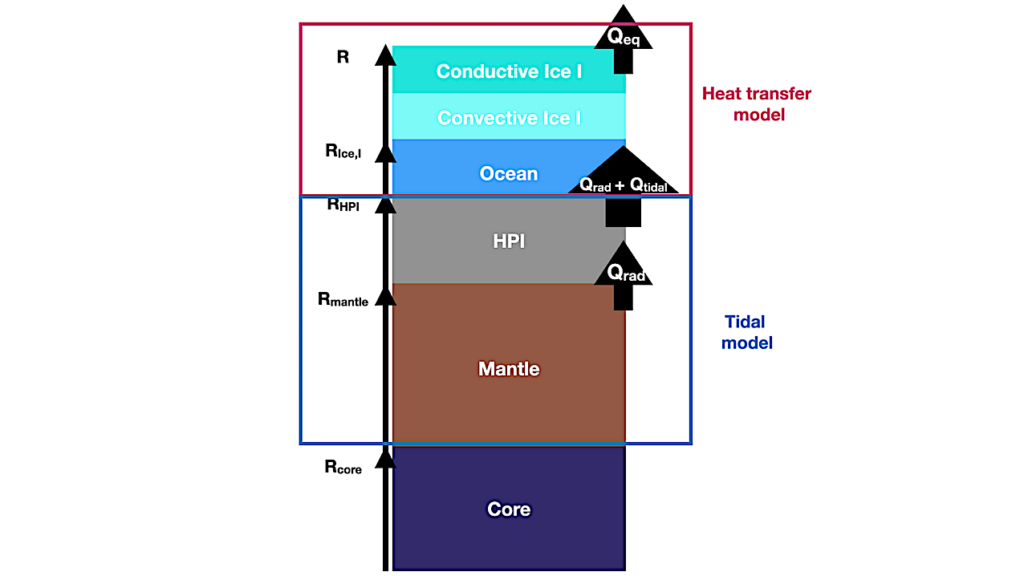
Similar geological and atmospheric conditions shaped by volcanism, meteoritic impacts, and tidal heating have existed, or still exist, on Mars, Venus, and icy moons, where CO may serve as a metabolic substrate.
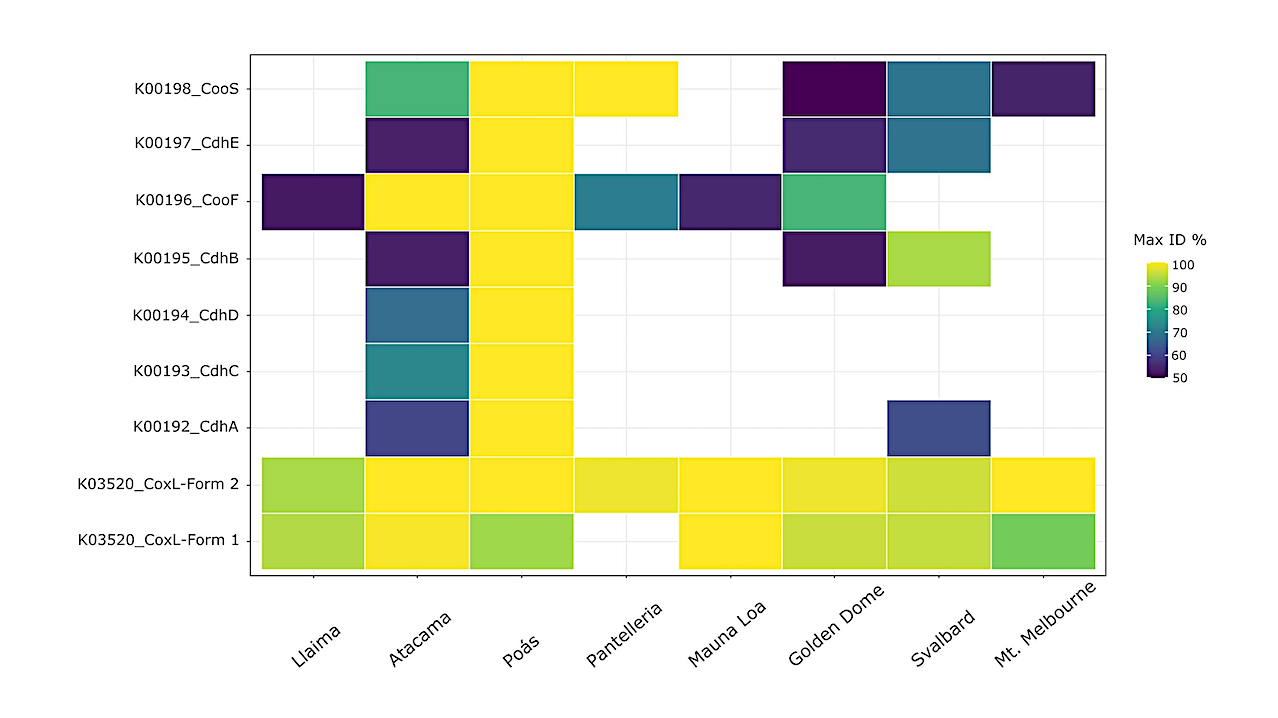
This review explores the evolutionary significance of CO dehydrogenase (CODH), an enzyme responsible for the oxidation of CO to carbon dioxide, thereby linking geochemical energy fluxes to the emergence of biological carbon. Genomic evidence from eight globally distributed volcanic sites confirms the presence of genes encoding CODH.
Genes encoding aerobic CO oxidation (coxL) were consistently abundant and conserved, whereas genes encoding anaerobic oxidation (cdh- and coo-related genes) showed site-specific dominance and variability, reflecting differences in microbial community composition and environmental conditions. At Poás Volcano, several taxa, particularly members of Desulfobacterota, exhibited genetic versatility across nine gene clusters, highlighting their adaptive capacity.
These findings demonstrate how trace gas metabolism can support microbial survival in volcanic soils, providing insight into potential habitability on other planetary bodies.
- Carbon monoxide dehydrogenase-encoding microorganisms in volcanic astrobiological analogues: an enzyme system to investigate the evolution of life, FEMS Microbiology Ecology via PubMed (open access)
- Carbon monoxide dehydrogenase-encoding microorganisms in volcanic astrobiological analogues: an enzyme system to investigate the evolution of life, FEMS Microbiology Ecology (open access)
Astrobiology, Genomics,