The Evolution Of The First Code

Background/Objectives: tRNAs, tRNAomes, aminoacyl-tRNA synthetases (AARSs), the first proteins, ribosomes and the genetic code coevolved. We utilize sequence data to reconstruct key steps in establishing the first code on Earth.
Methods: Networks were constructed to describe initial tRNAome and AARSome evolution.
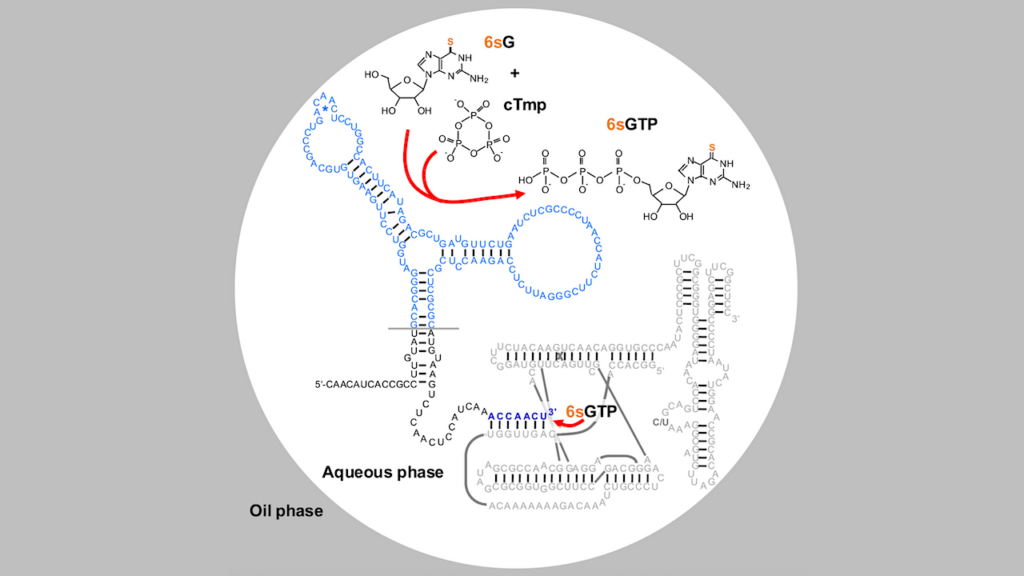
Results: tRNA-34 wobble and tRNA-37 modifications were necessary to evolve the code, as were additional tRNA modifications, so diverse tRNA modification enzymes (i.e., histidyl-tRNA -1 GTP synthase) are among the first proteins. tRNA-linked chemistry brought asparagine, glutamine, cysteine and possibly additional amino acids into the code.
tRNA, tRNA modifications and tRNA-linked chemistry were core founding innovations for code evolution. Coevolution of AARSomes was also essential. Class II and class I AARSs have distinct folds but are nonetheless homologs by sequence.
Early AARS enzymes folded around Zn motifs. Networks were generated for tRNAomes and AARSomes in ancient Archaea, because Archaea are the closest living organisms to the last universal common ancestor.
Conclusions: The first code on Earth was surprisingly ordered, and the few apparent deviations from the regular order can yet be explained. Early in the evolution of the code, innovation was more strongly selected than accuracy.
The code froze, however, because of evolving fidelity mechanisms. A historical record was documented in tRNA and in the genetic code structure and has been preserved in living organism sequences. AARSome structure describes the first code evolution more adequately than tRNAomes.
- The Evolution of the First Code, Genes via PubMed
- The Evolution of the First Code, Genes
Astrobiology,