A Next Generation Space Antimicrobial: Assessing Microbial Activity And Reduction Across The ISS
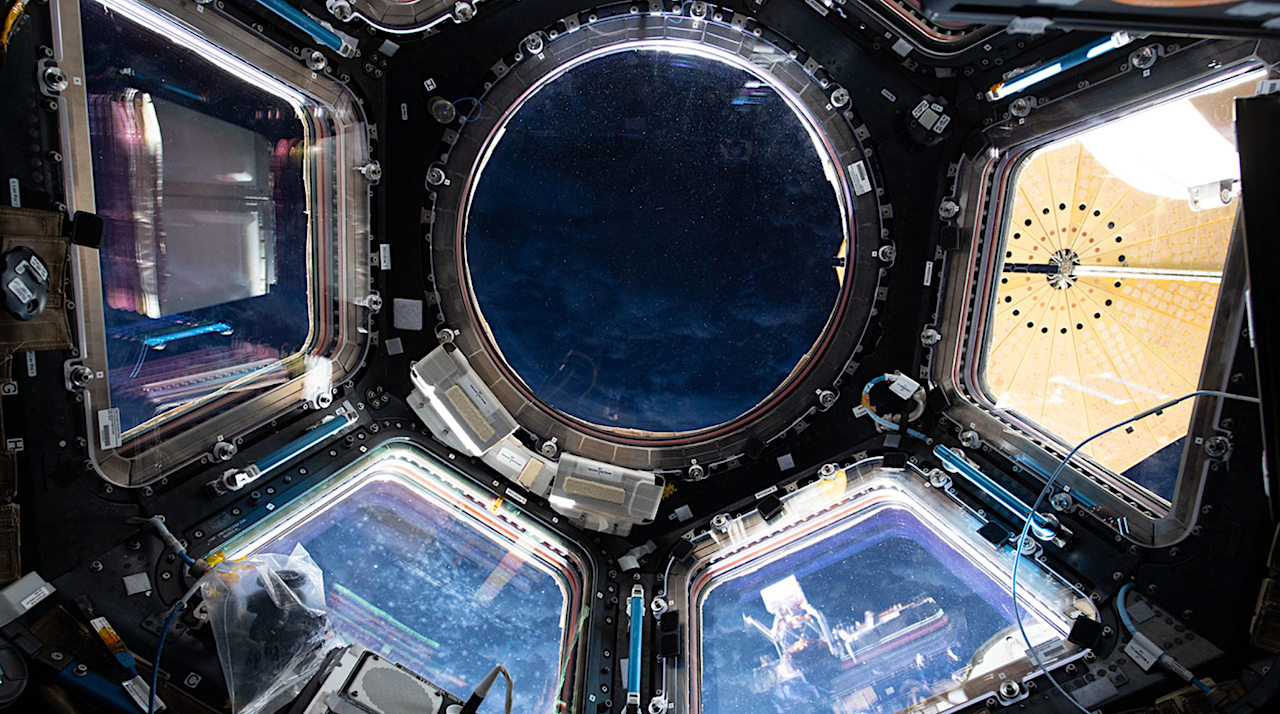
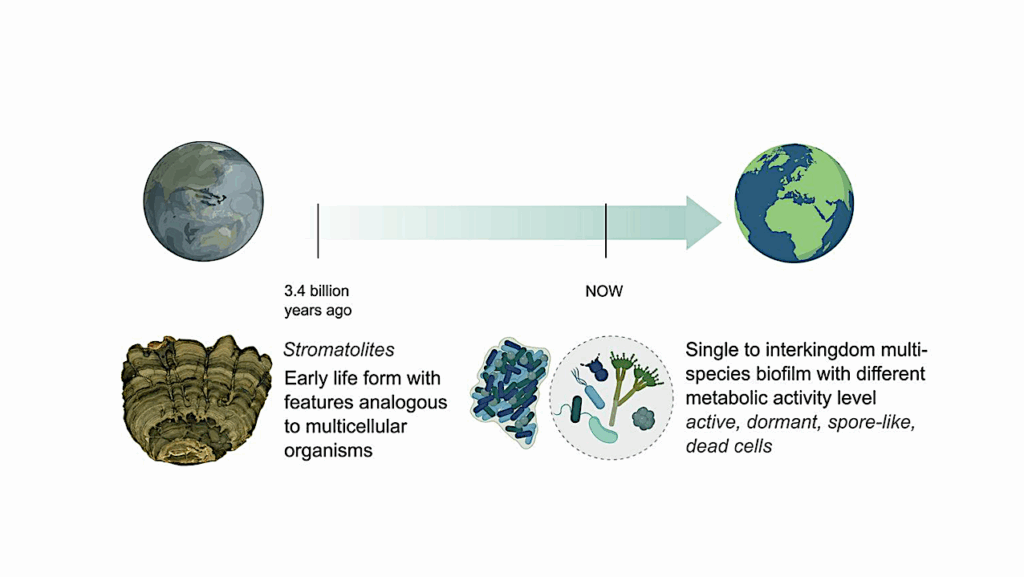
Microbial contamination in spacecraft poses a threat to crew health and operational integrity. Currently, microbial reduction aboard the International Space Station (ISS) relies on rigorous cleaning, which is time-consuming for astronauts.
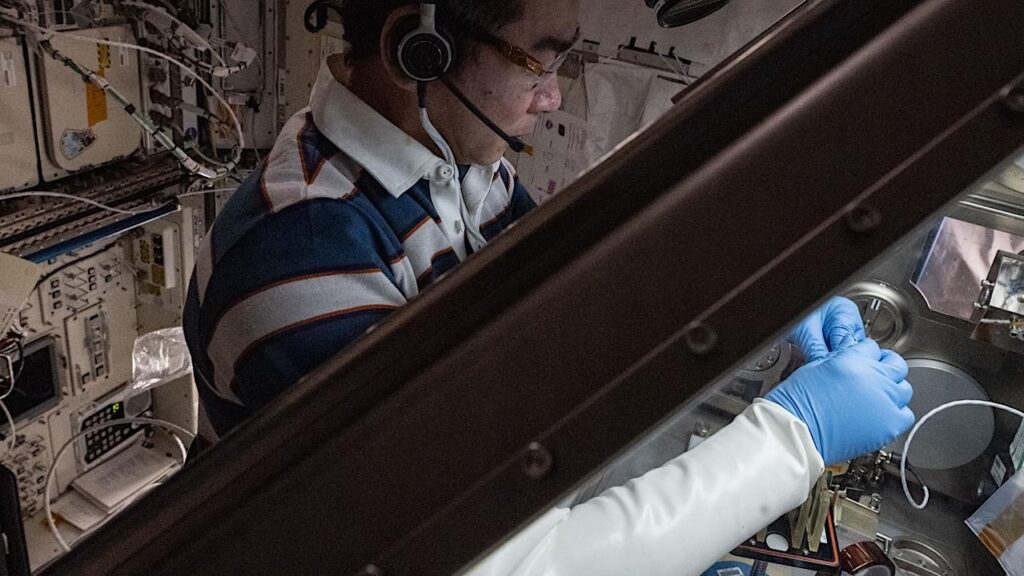
This study analyzes the ISS microbiome and applies a novel antimicrobial polymer coating to assess its effectiveness in mitigating microbial contamination. The polymer was coated onto five material types representing common objects interacted with by the crew. Each material had six coupons placed on six placards in various ISS locations, while five placards remained on Earth to accumulate microbes from passive and direct transfer.
The trial lasted six months, utilizing microbiological cell cultures and genomic analysis to assess bacterial and fungal communities and identify species. We observed lower than expected microbial loads on ISS surfaces, indicating a reduced need for extensive cleaning.
The polymer coating decreased culturable bacterial surface loads by 3.16 log10 compared to non-coated surfaces. Coated surfaces exhibited less genetic material and lower microbial species richness. Additionally, the polymer coating proved durable, persisting on ISS surfaces throughout the six-month period.
This study demonstrates that the antimicrobial polymer coating effectively inactivates microbes and remains on surfaces in zero gravity environments. Its application is likely beneficial for preventing viral and bacterial contamination, with potential uses in long-duration spaceflight to enhance crew health and maintain spacecraft integrity. We also generated data suggesting an audit of current ISS cleaning practices could be warranted.
A next generation space antimicrobial: assessing microbial activity and reduction across the ISS, biorxiv.org
Astrobiology, microbiology,