Dale Andersen’s Astrobiology Antarctic Status Report: 1 February 2026: Drilling Diving Holes
Dale: Hi Keith, We’ve had a productive few days since I last checked in. Yesterday and today we worked on the eastern slopes adjacent to the Anuchin Glacier – Denis and his student Efe have been collecting samples of ice in a few areas and I mapped it in with the Trimble GNSS receivers I have on hand.
We drilled a couple of holes in the lake – one to start a dive hole, the other to deploy a dissolved oxygen sensor that will track changes during freeze-up beneath the ice. But today marks another shift in the weather pattern.
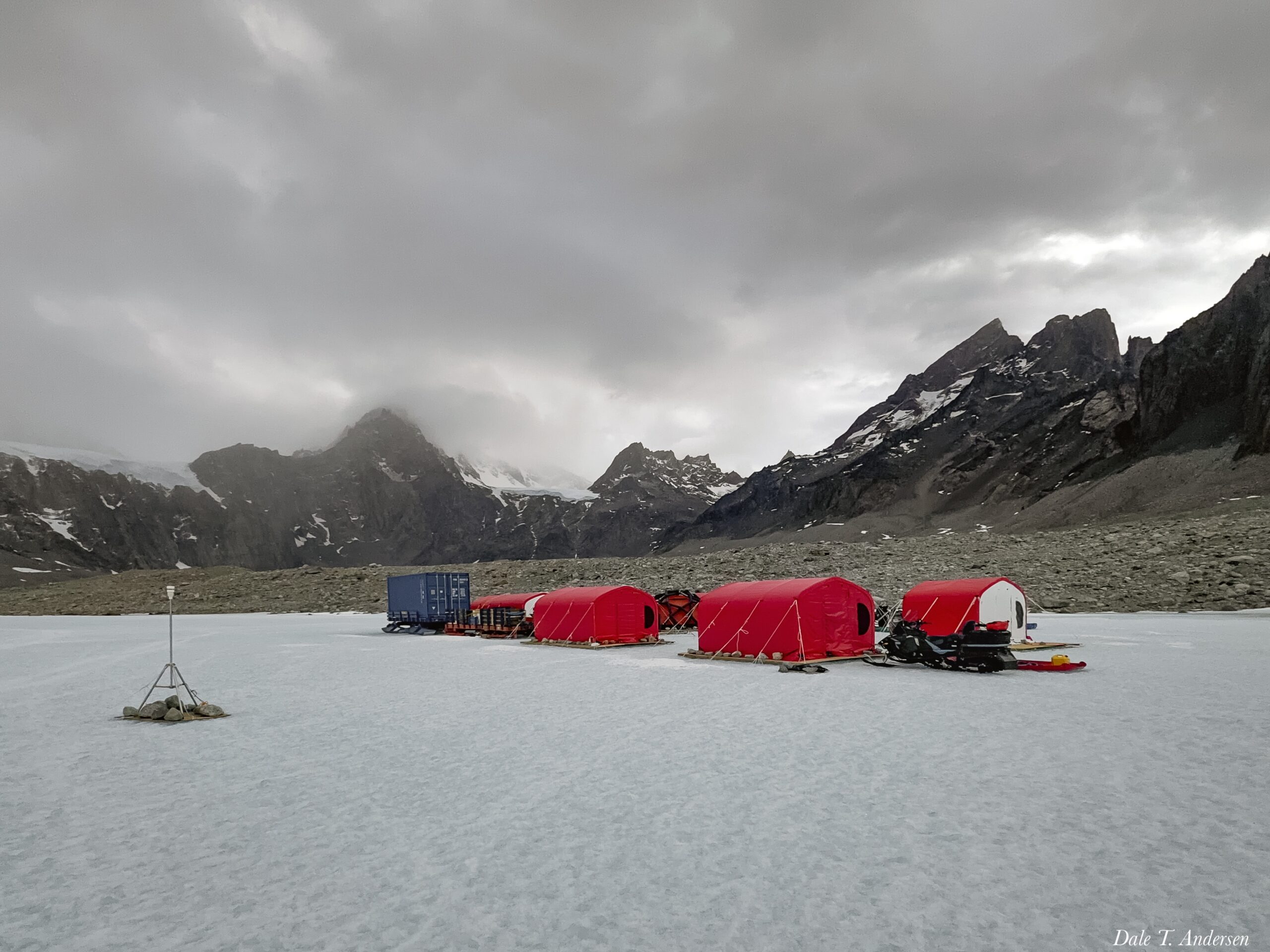
The image is of the camp a just a few moments ago. Looks like tomorrow and Thursday will be snowy/blowy days. All good as long as the winds do not get crazy!
Cheers, from Untersee, snow just starting to fall, winds starting to pick up..; Power going off in a minute and off to bed, more tomorrow!
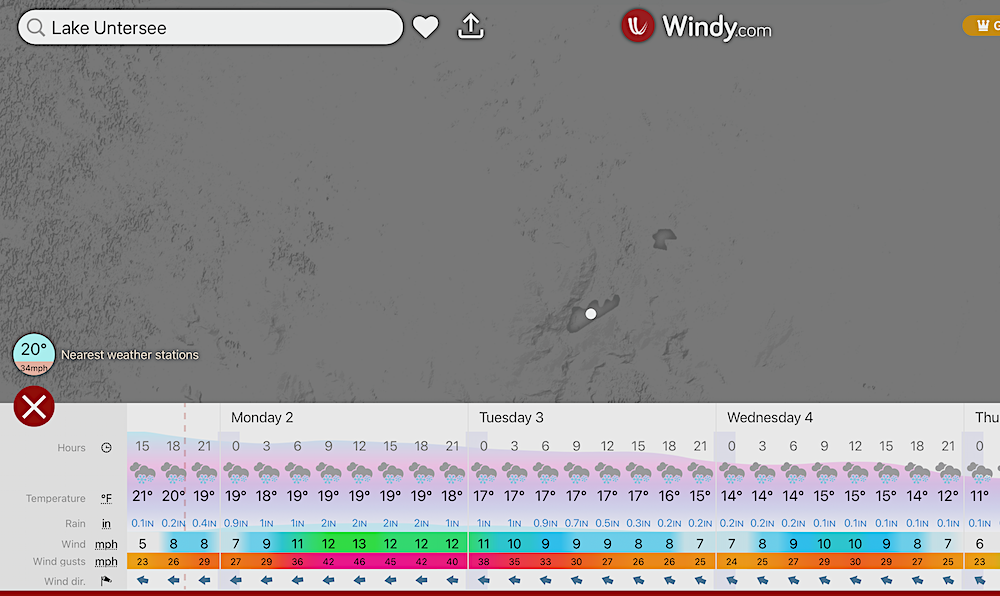
Weather forecast from Gemini
For the period of 1–8 February 2026, Lake Untersee is experiencing a transition from mid-summer peak warmth toward the cooler late-summer season. Based on reports from Dale Andersen’s Astrobiology Field Season, the forecast is as follows:
Daily Outlook
- 1–3 February: Expect snow showers and overcast skies. Daytime highs will hover around 17°F to 20°F (-8°C to -6°C), with moderate easterly winds of 13–21 mph.
- 4–6 February: Conditions will shift to mostly cloudy with decreasing chances of snow. Temperatures will begin to drop, with highs reaching 10°F to 16°F (-12°C to -9°C) and lows dipping into the single digits.
- 7–8 February: Skies are expected to clear, becoming partly sunny to clear. However, temperatures will be significantly colder, with daytime highs around 7°F to 8°F (-14°C) and nighttime lows reaching -3°F (-19°C).
Operational Conditions
- Extreme Wind Risks: While average winds are moderate, the region is highly susceptible to sudden blizzard conditions with gusts that can exceed 67 mph (30 m/s). Teams on-site should ensure all shelters are securely anchored.
- Daylight & UV: Expect nearly 24-hour daylight, though actual sunshine may be limited by cloud cover early in the week. Use high-SPF protection as UV exposure remains constant during outdoor work.
- Visibility: Rapid changes in visibility are common during the predicted snow showers early in the week.
Keith’s note: Astrobiologist Dale Andersen is heading back in Antarctica at Lake Untersee in January-February 2026 for another field season of research.
- Previous reports
- Astrobiologist Dale Andersen’s Antarctic Field Report: Preview: 2026 Lake Untersee Field Seas
Dale and I have been proving research updates – from Antarctica – since 1996. We think we actually had the first webserver (located in my old condo) updated from Antarctica. More details here: Dale Andersen’s 1996 Antarctic Field Research Photo Albums
Astrobiology