CRREL Researchers Discover New Microbe Species Frozen In Alaskan Permafrost
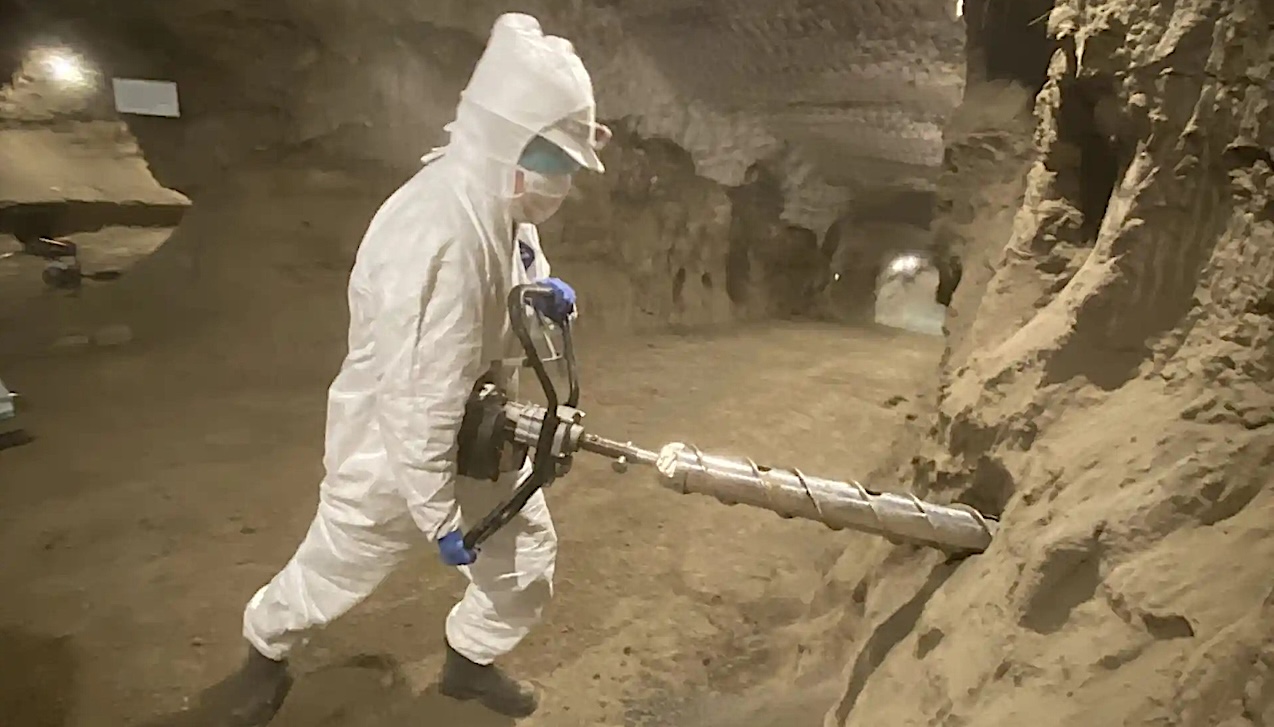
Research microbiologists at the U.S. Army Engineer Research and Development Center’s Cold Regions Research and Engineering Laboratory (CRREL) recently discovered 26 new species of microorganisms.
The microbes were found in approximately 40,000-year-old permafrost cored from CRREL’s Permafrost Tunnel Research Facility in Fox, Alaska, and revived – or put another way, woken after a very long nap – in CRREL’s Hanover, New Hampshire, soil microbiology laboratory.
“We are discovering new bacteria that have never been discovered before,” said Dr. Robyn Barbato, senior research microbiologist and leader of CRREL’s soil microbiology team. “Do you remember being enchanted by the animals that Jack Hanna would bring on late night TV? It’s sort of like that. There are these organisms that we didn’t even know existed that have been locked in frozen ice or permafrost.”
IMAGE
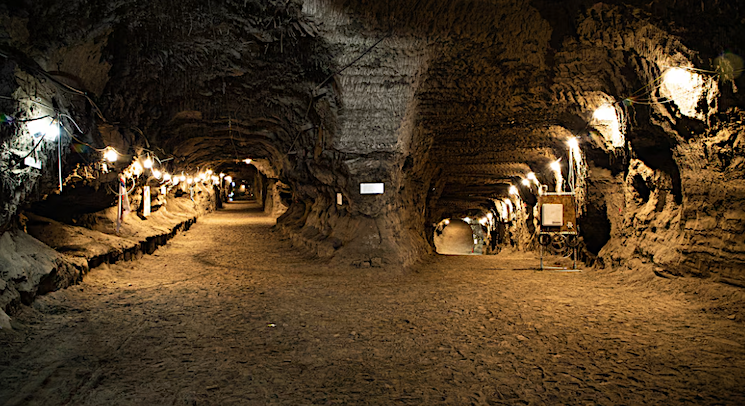
The USACE Permafrost Tunnel in Fox, Alaska. The tunnel is a unique research facility providing scientists and engineers with an unparalleled opportunity to study permafrost. Originally excavated between 1963 and 1969 to explore construction and mining techniques in frozen environments for military purposes, the tunnel has evolved into a world-class natural laboratory.
The discoveries, which were recently detailed in an announcement published by the American Society for Microbiology, are taking place as part of a Defense Advanced Research Projects Agency (DARPA) project called Ice Control for Cold Environments (ICE).
The project aims to leverage biological adaptions to cold to develop new technologies that help the U.S. military survive and thrive in extreme cold regions. In other words, researchers want to identify the mechanisms these microbes use to survive being frozen and develop products that mimic those characteristics.
“These microbes have evolved to remain viable in sub-zero temperatures,” said Barbato. “We want to learn how they do it so that we can develop new biotechnologies that help the U.S. military operate in cold regions.”
For example, says Barbato, developing a skin cream that protects troops from frostbite or a spray-on coating that prevents ice buildup from negatively impacting the performance of military vehicles and equipment are just two potential uses.
Now that the new species have been discovered, they will be added to CRREL’s Innovative, Collaborative, Exploratory Cold Regions Organism Library for Discovery in Biotechnology (ICE COLD) library. ICE COLD is a collection of live microorganisms originating from cold regions soil, snow, and ice that have been isolated from the Arctic, from Antarctica, and from high altitude sites.
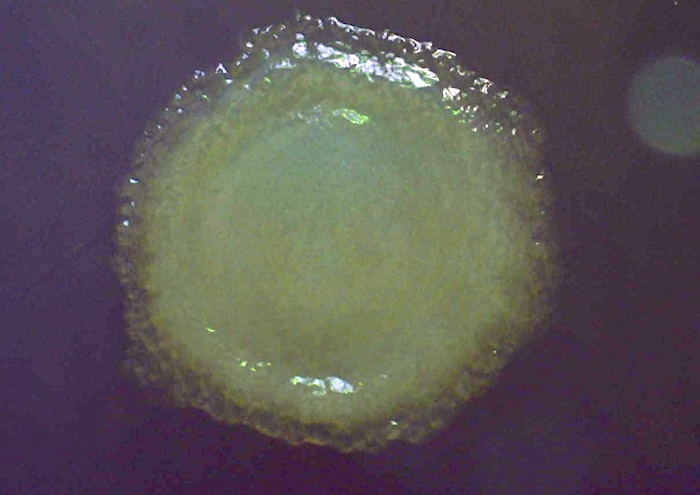
One of 26 new species of bacteria discovered by ERDC-CRREL research microbiologists in approximately 40,000-year-old permafrost within the Permafrost Tunnel Research Facility in Fox, Alaska.
So far during CRREL researchers’ work on DARPA’s ICE project, 52 percent of the bacteria they’ve encountered in permafrost tunnel samples have been new species. This suggests that as more cold regions samples are tested, more new microbes will be identified by the CRREL soil microbiology team.
“We have every reason to believe that the more we look, the more new species we will find,” said Barbato. “It’s incredibly exciting to be working on the microbiological frontier, so to speak.”
The Cold Regions Research and Engineering Laboratory is one of seven U.S. Army Engineer Research and Development Center laboratories, and the federal government’s only laboratory dedicated to cold regions research. Its microbiological laboratories are Biosafety Level 2 (BSL-2) capable as set forth by the Centers for Disease Control and Prevention and the National Institutes of Health and operate under two United States Department of Agriculture permits regulating the handling of foreign soils and microorganisms.
Astrobiology, cryobiology,