Susceptibility Of Microbes To far-UVC Light (222 nm) On Spacecraft And Cleanroom Surfaces
Far-UVC light (222 nm) is an emerging decontamination tool with potential for spacecraft assembly applications due to its strong germicidal efficacy and minimal risk to human health.
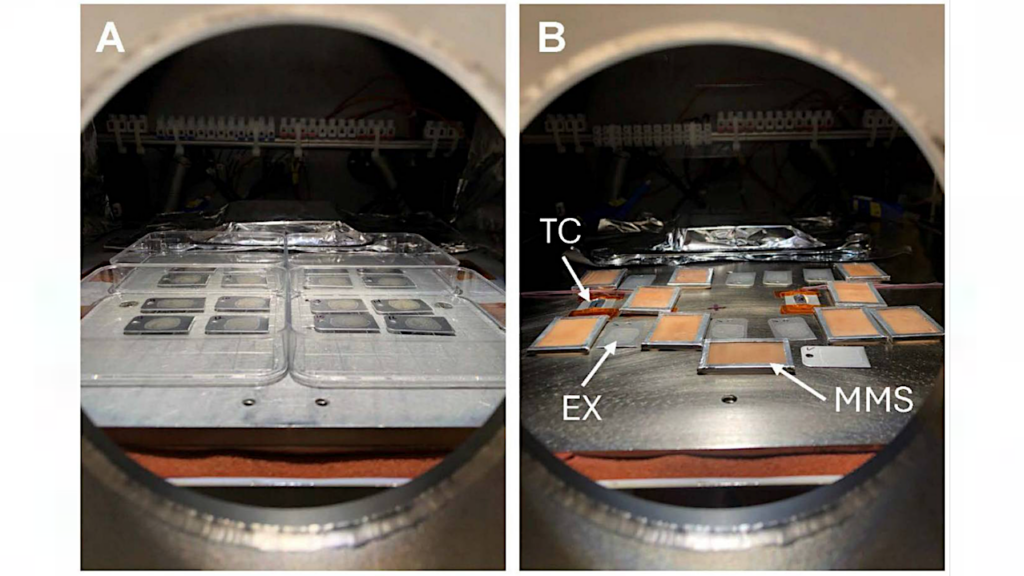
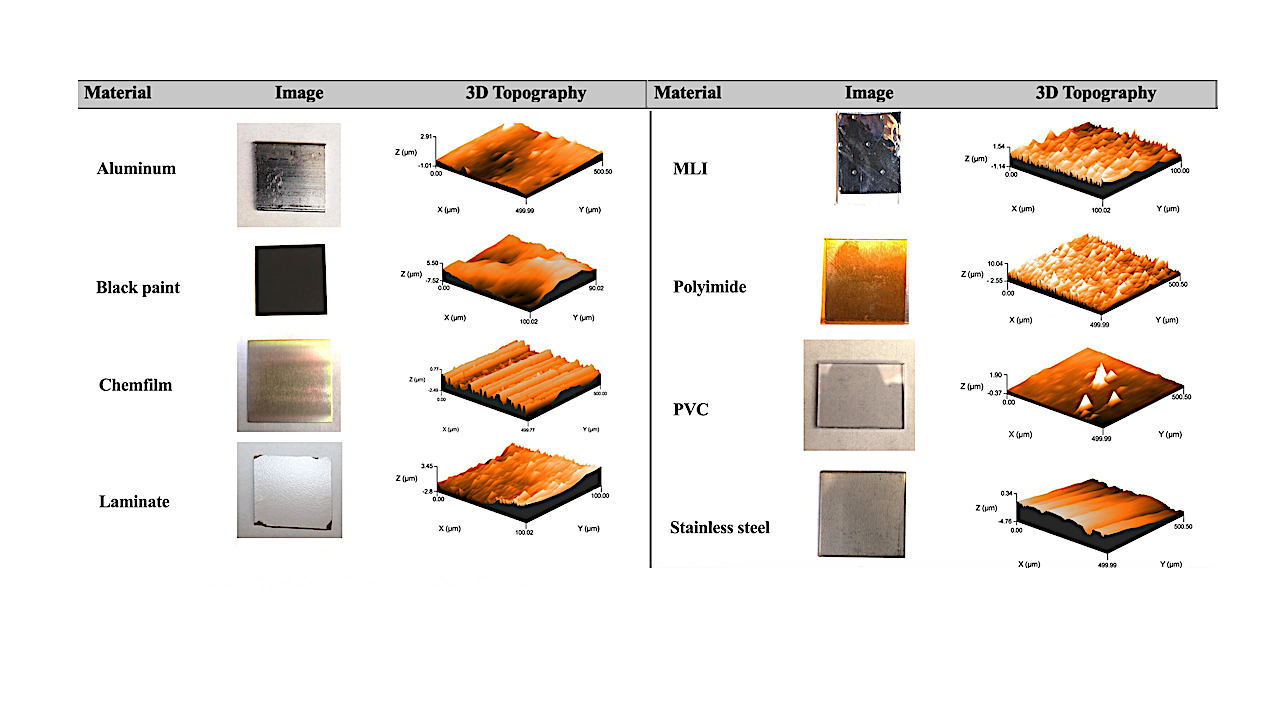
This study evaluated the susceptibility of three UV-resistant microbial species, Deinococcus radiodurans and Bacillus subtilis as vegetative cells and Bacillus pumilus as spores, across eight spacecraft and cleanroom-relevant materials with varying surface properties, including contact angle, reflectivity, and roughness.
While D. radiodurans demonstrated the highest overall resistance to far-UVC, material properties significantly influenced its inactivation rate (k1 [cm2/mJ]), and its susceptibility varied significantly by surface.
No significant relationship between material properties influencing k1 values was observed for B. subtilis and B. pumilus.
Collectively, these findings highlight far-UVC as a robust and practical bioburden reduction tool capable of inactivating resistant microbes regardless of material surface characteristics.
- Susceptibility of microbes to far-UVC light (222 nm) on spacecraft and cleanroom surfaces, Environmental Microbiology via PubMed (open access)
- Susceptibility of microbes to far-UVC light (222 nm) on spacecraft and cleanroom surfaces, Environmental Microbiology (open access)
Astrobiology, Planetary Protection,