Fungi From Chernobyl: Mycobiota Of The Inner Regions Of The Containment Structures Of The Damaged Nuclear Reactor
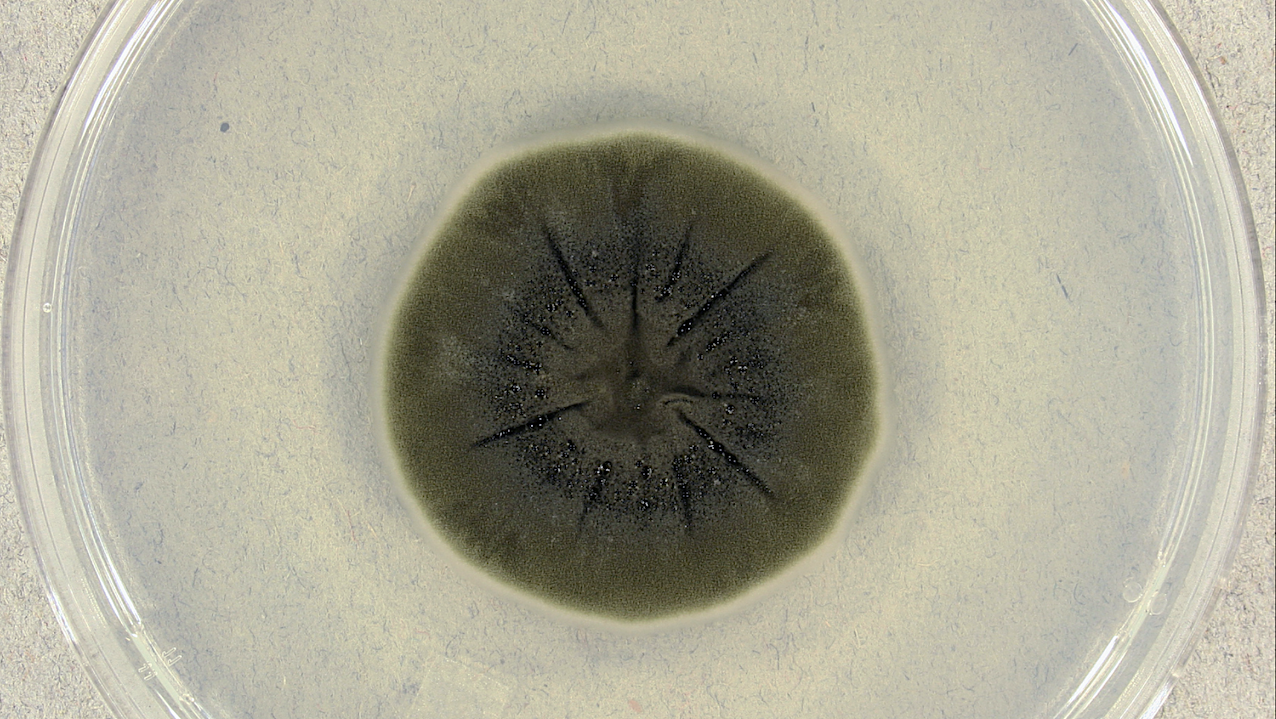
Extensive fungal growth has been detected on the walls and other building constructions in the inner parts of the Shelter of the damaged fourth Unit of the Chernobyl Nuclear Power Plant in 1997-98. The mycobiota comprised 37 species of 19 genera.
Zygomycetes and ascomycetes were represented by one species each: Mucor plumbeus and Chaetomium globosum, respectively. Two mitosporic fungi commonly found were Cladosporium sphaerospermum and Penicillium hirsutum. Alternaria alternata, Aureobasidium pullulans, Aspergillus versicolor, Acremonium strictum, and Cladosporium herbarum were also encountered. Penicillium ingelheimense, Phialophora melinii, Doratomyces stemonitis and Sydowia polyspora were isolated from the Shelter and are recorded from the Ukraine for the first time.
Comparison of the species growing under both severe and relatively weak radioactive contamination revealed a dominance of melanin-containing species in heavily contaminated sites; biodiversity and prevalence coefficients supported this.
Fungi from Chernobyl: mycobiota of the inner regions of the containment structures of the damaged nuclear reactor, Mycological Research (2000)
Related link
- Terrestrial Fungus May Be Key To Farming In Space, earlier post
Astrobiology,